Is Hydro Jetting Safe For Old Pipes?
If you live in homes built before the 1970s - there is a huge chance that you have older pipes that struggle with slow drains, stubborn clogs, etc. Amidst all that, someone must have suggested you get hydro jetting done - and for good reasons.
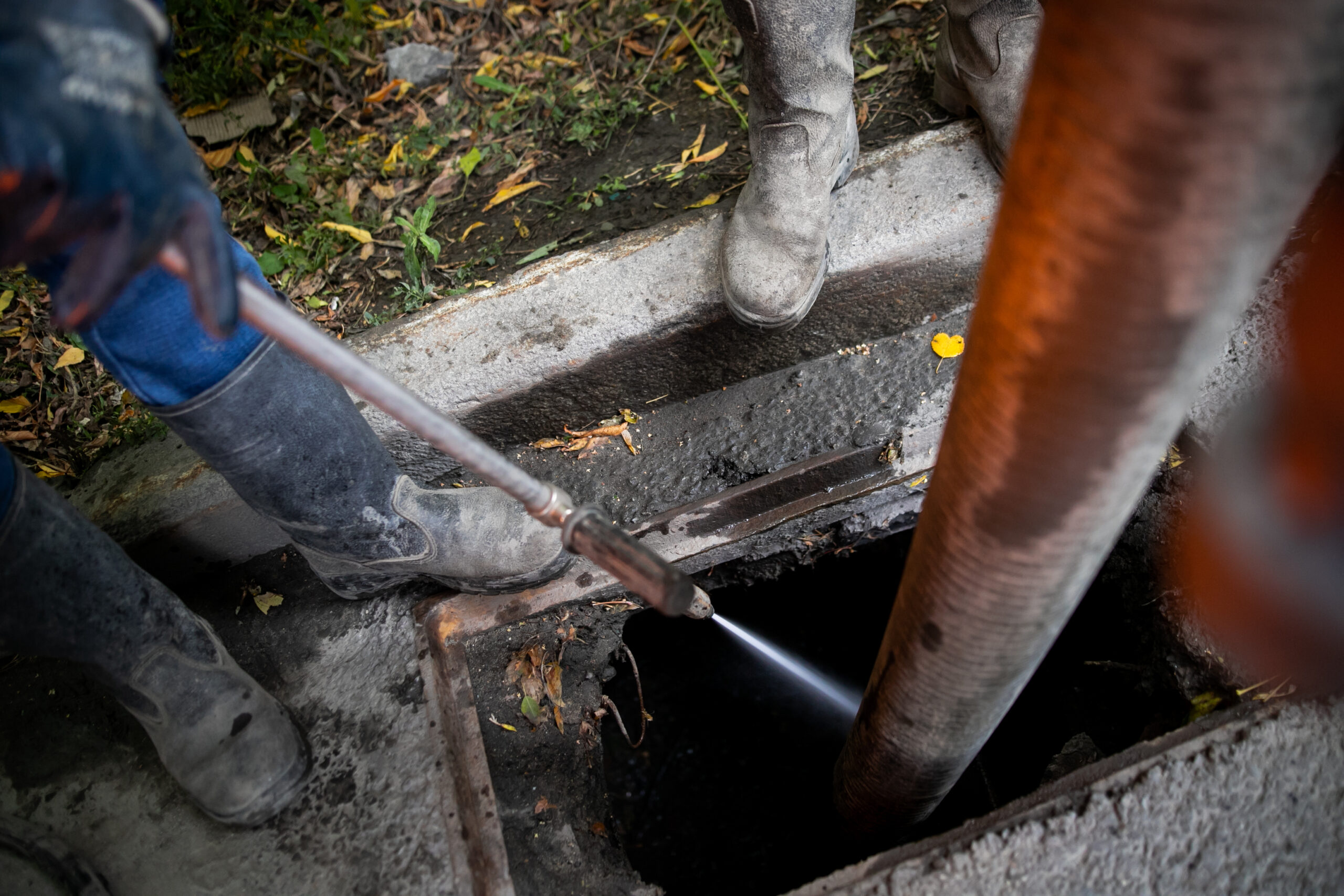
Hydro jetting uses a high-pressure cleaning method that can blast away years of grime, grease, scale, and even invasive tree roots. But if your plumbing is decades old, you might be asking the million-dollar question - Is hydro jetting safe for old pipes?
It’s a fair question, though. Hydro jetting uses water at a pressure of up to 4,000 PSI, which can damage the aging pipes. Hence, it should only be used by experts and preceded by a proper video inspection.
Common Pipe Materials In Old Plumbing (How Hydro Jetting Affects Them?)
Here are some pipe materials in old plumbing systems that may not survive hydro jetting
1. Cast Iron Pipes
Many homes in Sparks built before the 1970s still have cast iron plumbing. While they can be durable, they are susceptible to corrosion, which makes them brittle and prone to rusting. Hydro jetting can be used to clean such pipes, but if the pipes are extremely rusted - the high-pressure water can crack them or cause leaks.
Hence, professionals always use sewer camera inspection before jetting cast iron in older homes to avoid any unintentional damage.
2. Clay Pipes
Clay pipes were most commonly used in sewer systems until the 1950s - especially in older neighborhoods near downtown. These pipes are strong against chemicals but brittle under pressure.
Hydro jetting may cause cracks or shift the clay sections if applied with much force. Hence, it is recommended that low-pressure jetting be used along with camera inspection. If any part of the clay pipes is damaged, it should be replaced immediately.
3. Galvanized Steel Pipes
Galvanized steel pipes were extensively used before the 1960s and are prone to corrosion and internal buildup. If you still have galvanized pipes, it is advisable to approach with caution. This is because, though hydro jetting can dislodge thick rust and mineral deposits, it can also weaken the pipes if there’s huge corrosion.
Hence, professionals are advised to proceed by inspecting and assessing the wall thickness and corrosion levels.
4. Orangeburg Pipes
Orangeburg pipes are made of compressed wood fibers and tar and were used as low-cost alternatives somewhere around the 1940s and 1970s. These pipes are extremely weak and can deform and even collapse under moderate pressure.
Hence, hydro jetting for orangeburg pipes is absolutely not recommended, as high-pressure can tear or crush them. The only best option is to replace them!
5. Copper Pipes
Though they are rare in drainage systems, older homes may have used copper pipes for specific lines. Copper is generally strong but susceptible to pinhole leaks and corrosion over decades. Hydro jetting copper pipes should be done by professionals and only when needed.
It should be done cautiously, as excessive pressure can damage weak joints or thin spots. Some professional services often avoid high-pressure jetting and suggest some alternative cleaning methods.
What Are The Risks Of Hydro Jetting Old Pipes?
Hydro jetting is no doubt one of the most effective cleaning methods for clearing stubborn blockages - but it poses significant risks to old pipes. Here are some of the risks involved in hydro jetting older pipes -
- One of the primary concerns is the potential for cracks or breakages in fragile materials, such as cast iron, clay, or Orangeburg pipes. If your home was built before the 1970s - you most probably have one of these. They can be easily damaged with even moderate pressure.
- Next, existing corrosion or weaker joints in galvanized or cast iron pipes can increase the likelihood of plumbing failure during the cleaning process. Using high-pressure water can lead to leaks and even complete pipe collapse.
- Another major risk is using incorrect pressure settings or hiring unskilled contractors. They may apply incorrect pressure without assessing the pipes, which may cause harm to the aging pipes. Hence, a professional evaluation is much needed before cleaning the pipes using hydro jetting.
- Last but not least, in homes built before the 1970s - underground pipes usually rest in unstable or poorly compacted soil. The force of hydro jetting may disturb the bedding, causing older, rigid pipes to shift, sag, and even break under their weight. This is more common in areas with previous ground movement or erosion.
When Hydro Jetting Can Be Safe For Old Pipes?
Hydro jetting can be safe for old pipes under certain conditions, primarily when the pipes are structurally sound and free of corrosion, cracks, or joint separation. Many pipe materials may seem like they’re in good condition but can be brittle and corroded inside.
Before jetting, professionals must always conduct a video inspection to assess the condition and look for cracks, scale buildup, or weak joints. If the inspection shows the pipes are stable, hydro jetting may be done under an adjusted low-pressure setting to minimize risk.
When done correctly by a skilled plumber - it can safely clear up years of debris, grease, and grime accumulation. However, if done without proper precaution and analysis - it can worsen the damage. So, it’s advisable not to DIY hydro jetting - as it’ll cause more harm than good.
Warning Signs That Your Old Pipes May Not Be Suitable
Here are some warning signs that indicate that hydro jetting is not suitable for older pipes -
- Frequent backups or recurring slow-draining issues
- Visible rust, corrosion, or mineral buildup on pipes
- Past repairs, patches, or temporary fixes detected
- Pipes over 50 years old without recent inspection
- Cracks, weak joints, or loose fittings observed
- Water discoloration or metallic taste in taps
- History of root intrusion or collapsed pipe section
What Are Some Alternatives To Hydro Jetting?
Here are some alternatives to hydro jetting that are gentle yet effective for your old pipes -
-
- Snaking
A Drain Snake, also known as drain augering, is a flexible metal cable with a corkscrew tip that manually breaks through clogs. It is best for soft blockages like paper, hair, soap scum, etc. Though they are not thorough and do not clean pipe walls - it is a safer option for older and fragile pipes.
- Snaking
Plus - they are affordable and can be done by DIY. But, it does not remove heavy blockages, tree root intrusions, etc.
- Enzymatic Drain Cleaners
Enzymatic drain cleaners use natural bacteria or enzymes to digest organic material inside pipes. They are gentle and eco-friendly, which makes them an excellent choice for older pipes. They don’t produce heat or corrosive reactions and are effective against heavy grease, roots, or inorganic clogs.They don’t damage the pipes or disrupt the seals and joints and are one of the best alternatives to hydro jetting. - Trenchless Pipe Repair
Trenchless pipe repair is a no-dig solution used to fix damaged sewer lines without excavating the yard. It is the perfect option when pipes are too deteriorated for jetting or snaking. They are a bit expensive, but they reduce landscape disruption and offer long-term durability.You can get in touch with trenchless sewer repair Reno, NV, to ensure professional work. This is mostly used where hydro jetting can cause severe damage. - Pipe Descaling
Pipe descaling involves removing rust, mineral buildup, and debris from inside metal pipes - especially if your home has cast iron. It uses rotating chains and abrasive tools. It targets corrosion and scaling without high water pressure, making it safer for brittle plumbing systems.The process ensures that the pipe diameter is restored and flow is smooth. It is an effective method and is mostly used before pipe lining or as a stepping stone for repairs. - Pipe Lining Or Replacement
- When pipes are too damaged for cleaning or repair, it becomes necessary to replace or replace the pipeline. Lining involves inserting a resin-coated liner that hardens inside the existing pipe, creating a new pipe within. It restores flow and seals cracks without full excavation.On the other hand, replacement is required for pipes that are damaged beyond repair. Both solutions are the best alternatives to hydro jetting.
Pressure Washing Vs. Hydro Jetting: Which One Is Best For Older Pipes?
| Feature | Pressure Washing | Hydro Jetting |
|---|---|---|
| Pressure | Typically lower pressure (1,500 - 4,000 PSI) | Significantly higher pressure (3,000 - 8,000+ PSI) |
| Purpose | Primarily for surface cleaning (driveways, siding, etc.) | Specifically designed for clearing blockages inside pipes |
| Nozzle/Technique | Wider spray nozzles for surface area coverage | Specialized nozzles to direct powerful streams inside pipes, often with forward and backward jets for thorough cleaning. |
| Debris Removal | Washes away surface dirt, mold, and loose debris | Breaks down and flushes out stubborn clogs (grease, scale, roots) and cleans pipe walls. |
| Risk of Damage | Can damage fragile surfaces if pressure is too high | Higher risk of damage to older, weakened, or corroded pipes due to intense pressure. Requires professional assessment. |
| Professional Use | Can be DIY for some applications | Requires professional plumbers with specialized equipment and expertise. |
| Feature | Pressure Washing | Hydro Jetting |
SO, Is Hydro Jetting Old Pipes Safe?
Well, it depends!
Hydro jetting can be safe for many older plumbing systems, provided the pipes are structurally sound, made from compatible materials - and have been thoroughly inspected by a professional. For aging systems - plumbers usually adjust the water pressure to reduce stress on the pipes. They also check for signs of severe corrosion or cracking that might cause damage.
If your plumbing includes fragile clay pipes, deteriorated cast iron, or rusted galvanized steel, a skilled plumber may advise against hydro jetting and suggest gentler alternatives instead of full replacement.
Takeaway
Hydro jetting can be used on several old pipes, but it’s important to consult a professional before proceeding. They can help you with other alternatives after assessing the condition of your pipes and drains.
Need Hydro Jetting In Sparks, NV? Don’t Hesitate To Call Easy Rooter!
Easy Rooter offers dependable and safe plumbing services - even if your home has old pipes. So, if you need cleaning and are worried or unsure about the age and condition of your pipes, you can always call us. We’ll conduct an assessment and recommend the solution that actually FITS your situation.