Sump Pump Plumbing Failures During Winter Storms
Winter storms can cause a lot of chaos. And if you're a resident of Nevada, you already know what we're talking about. You'll have freezing nights, sudden thaws, heavy rain, and unpredictable weather patterns that can make your entire home work overtime.
And when all that happens at once, your sump pump becomes your first line of defense. But when storms arrive, even the best systems can fail!
If you’ve ever walked into your basement during a storm and felt your stomach drop because the floor looked like a mini swimming pool, you know the feeling. But when you know what causes sump pump plumbing failures, you’ll be in a better spot to avoid them.
So, if you want to prevent expensive plumbing repairs and sump pump plumbing failures, you can give this blog a read, where we'll talk about what causes such failures and what you can do to tackle the issue efficiently and protect your home.
How Does a Sump Pump Work?
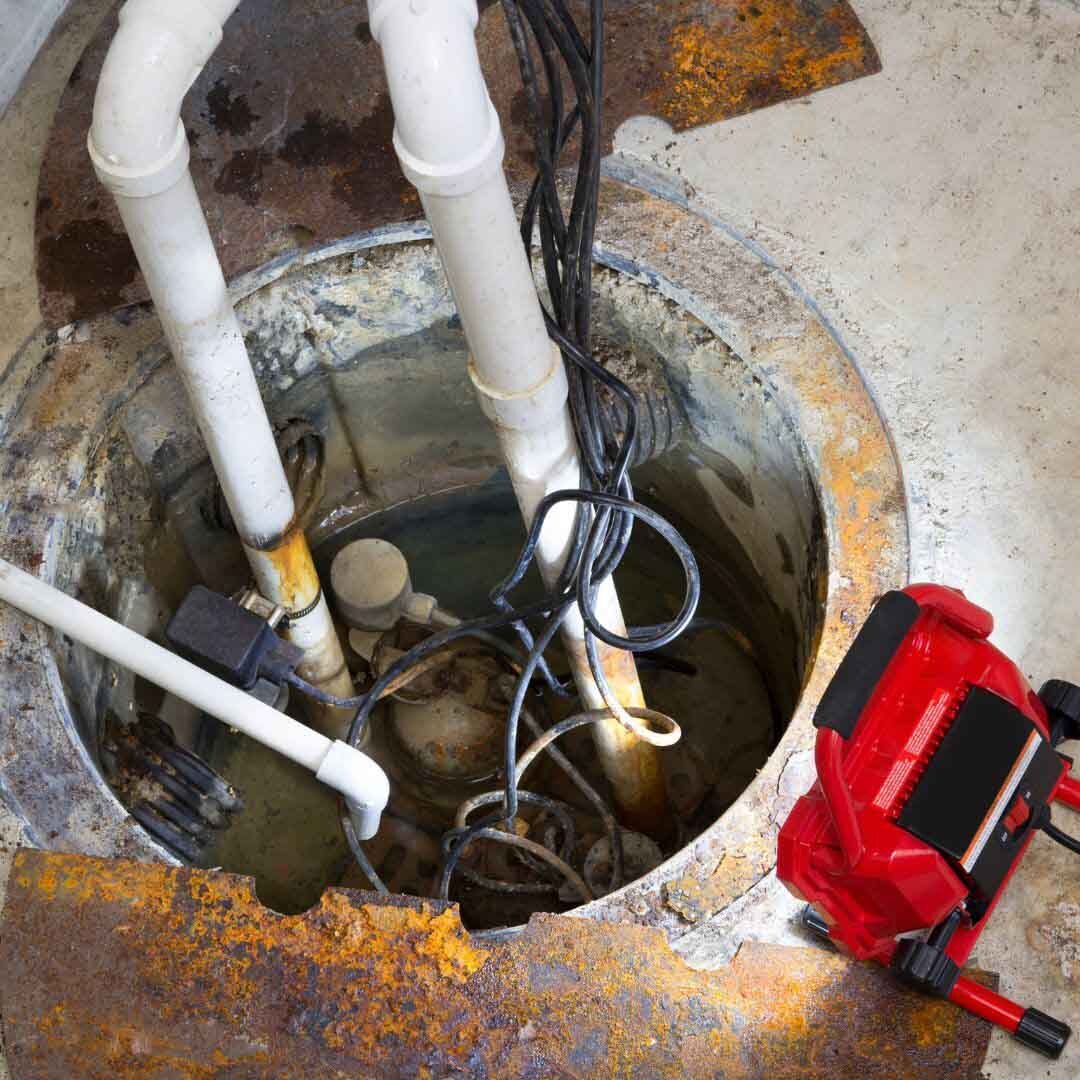
To understand the causes of a sump pump failure, you first need to know how it works in the first place. So, your sump pump is present inside a pit, usually in your basement or crawl space. And its main job is to collect groundwater and pump it away from your home before it rises high enough to cause flooding.
Here’s how it works -
- Water fills the pit as rain or groundwater builds up.
- The float rises with the water level.
- Once it hits the trigger point, the pump switches on.
- The pump pushes the water out through the discharge line.
- When the pit empties, the float drops and the pump turns off.
But winter puts extra pressure on your sump pump. Besides moving normal groundwater, it also has to deal with frozen soil, sudden rain, colder temperatures, and heavy storms. All of that makes the pump run longer and work much harder.
So, even a good pump can struggle during a winter storm. And that’s why it’s best to keep a plumbing contractor in Reno close by in case anything goes wrong.
Why Sump Pumps Fail During Winter Storms
Here’s what usually goes wrong with your sump pump during winter storms -
❖ Frozen Discharge Lines
Your sump pump pushes water out through the discharge line. But during freezing weather, that line can turn into a solid block of ice. When that happens, water has nowhere to go and causes basement flooding.
Signs your line is frozen -
- Pump runs nonstop
- No visible water flowing outside
- Gurgling or rattling noises
- Water backing up
A frozen line can burn out your pump in hours. It’s one of the most common winter plumbing failures in Reno.
❖ Sudden Snowmelt Overwhelms the Pump
Winter storms bring heavy snow, and when temperatures warm up afterward, all that snow melts at once. That can create more meltwater than your pump can handle. So, this is what happens during such situations -
- Too much water rushing in
- The pump can’t keep up
- The pit fills faster than the pump can empty it
In this case, you need to call for professional plumbing repair service to take care of the issue fast!
❖ Power Outages
During winter storms, power outages are quite common. And if that happens, your sump pump, which completely depends on electricity, will stop working. This is what happens when the power goes out -
- The pump stops
- Water keeps rising
- The basement starts flooding
That's why it's important to have battery backup pumps to save the day!
❖ A Stuck Float Switch
A stuck float switch is a mechanism that tells your pump when to turn on. But during winter storms, debris, ice, or sudden water surges can make it stick. Some common causes of this problem are -
- Ice around the float
- Dirt or debris in the pit
- Float lodged against the wall
A float that can’t move is a pump that won’t pump. In this case, taking help from trusted plumbers in Reno can get your system working again quickly.
❖ Old or Undersized Pumps
Most homeowners don’t think about their sump pump until something breaks! But if your pump is more than 7 to 10 years old or isn’t sized for winter storm overloads, it’s more likely to fail. These are some of the warning signs -
- Pump cycles constantly
- Slow pump-out
- Strange noises
- Rust or vibration
A quick inspection from a pro offering plumbing repair in Reno can tell you where you stand.
❖ Clogged or Frozen Intake Screen
Your pump pulls water through a small screen at the bottom. But during winter storms, dirt, ice, and debris can clog it fast. This causes -
- Weak pumping
- Slow drainage
- Pump running nonstop
If the intake is blocked, your pump can’t do its job. So, if you come across this problem, it's best to rely on professional plumbers in Reno for a quick inspection and repair.
❖ A Faulty Check Valve
The check valve makes sure water only flows out and doesn’t come back in. But if it’s old, loose, or frozen, water can rush right back in. During winter storms, freezing temperatures can stiffen the valve, ice can block the discharge line, and heavy snowmelt can force the valve to work harder than usual. These are the signs of a faulty check valve -
- Pump cycles too often
- Water keeps returning to the pit
- Loud clunking sounds
A bad check valve can make the pump work twice as hard. This can cause the sump pump to wear down faster than usual. You can take care of the problem by contacting a plumber who can fix the issue right away.
❖ Incorrect Discharge Line Slope
If the discharge pipe isn’t angled correctly, water can settle in it. During winter storms and freezing temperatures, the standing water can freeze and block everything. This can cause -
- Frozen lines
- Pump burnout
- Water backing up into the basement
A small slope correction by a professional plumber can prevent big winter problems!
Winter storms put your sump pump through a lot, but understanding these problems and calling for professional help on time can help you stay prepared and avoid bigger problems!
| Get Fast, 24/7 Plumbing Help from Easy Rooter Plumbing |
What Happens When a Sump Pump Fails During a Winter Storm?
A sump pump failure is never fun, but after a winter storm, the damage can be extremely difficult to handle! You might have to deal with a lot of problems, like -
- Basement flooding within minutes during snowmelt or heavy rain
- Water damage to flooring, drywall, furniture, and stored items
- Mold growth from trapped moisture
- Risk of electrical shock when water touches outlets or devices
- Foundation stress from constant water pressure around your home
- High repair bills, especially if the flooding goes unnoticed
Winter storms make every problem worse, and that’s why it's better to take some preventive measures to stop sump pump failure in the first place!
How Can You Prevent Sump Pump Failure in Winter?
You don’t need to be a plumbing expert to ensure your sump pump works perfectly in all seasons, especially during winter. You can follow these easy steps as part of your regular maintenance routine!
- Insulate the discharge line to stop it from freezing.
- Clear snow away from the pipe outlet so water can flow freely.
- Test the pump before a storm by pouring water into the pit.
- Clean the pit and float to remove dirt, ice, and debris.
- Install a battery backup pump so you’re protected during outages.
- Check the check valve to make sure water isn’t flowing back in.
- Call for a winter inspection from a plumbing contractor in Reno.
By following these simple steps, you can keep your sump pump healthy and protect your home during winter weather.
Questions You Might Have About Sump Pump Failures During Winter Storm
➢ Should you remove a sump pump hose in winter?
Yes, you should remove or disconnect the hose if freezing temperatures are coming. A frozen hose can block water and burn out your pump. You can switch to a winter-safe discharge setup to stay protected.
Also, you need to make sure the hose is fully drained before storing it. When you follow these steps, it can help you avoid major plumbing issues and sump pump failures during winter storms!
➢ Is it normal for a sump pump to run every 5 minutes in the winter?
It can be normal, depending on snowmelt and groundwater levels. But if it runs nonstop, your pump may be overloaded. A frozen discharge line or stuck float can also cause constant cycling.
You should check the pit, the float, and the discharge pipe for any issues. But if it still keeps running, it’s time to call for professional plumbing repair in Reno. They can inspect the issue, repair your sump pump, and also give expert advice on how to protect your sump pump in the future.
➢ How do I know if my pump is failing?
You can usually tell your pump is failing when you start noticing small changes in how it runs.
- Strange noises
- Constant cycling
- Slow pumping
- Water returning to the pit
- Musty smells
If you see some of these signs, you need to contact trusted plumbers for a quick inspection and repair!
| Get Your Plumbing Problem Fixed the Right Way - Call Now |
Read More:
- Why Calculating Hidden Plumbing Costs Matters Before Starting Repairs
- Sewer Camera Inspections: What They Reveal & When to Use Them?
- How to Unclog a Bathtub Drain Without Using Harsh Chemicals
- Trenchless Sewer Repair: Why Summer Is Prime Time
Takeaway
Winter storms can push your sump pump to work harder, and this can increase the chances of its failure and cause problems like basement flooding. But when you understand the common failure points, like frozen lines, stuck floats, power outages, and overloads, you can prevent most problems with a few simple steps.
All you need to do is stay prepared, check your system often, and call trusted plumbers in Reno when something feels off.
When Your Plumbing Fails, Easy Rooter Plumbing Is Here for You!
At Easy Rooter Plumbing, our plumbers provide expert advice and quick help when your plumbing system fails. We're 24/7 available for you and will respond to you whenever you call us.
We have over four decades of experience in the industry and can perform plumbing repair in Reno efficiently and with professional care. Our plumbers will come on time, provide high-quality service, and ensure that the job is done right the first time.
We can also inspect your sump pump and repair it quickly if something's wrong with it. So, call us now at (775) 252-4583, and we'll take care of your plumbing needs.