
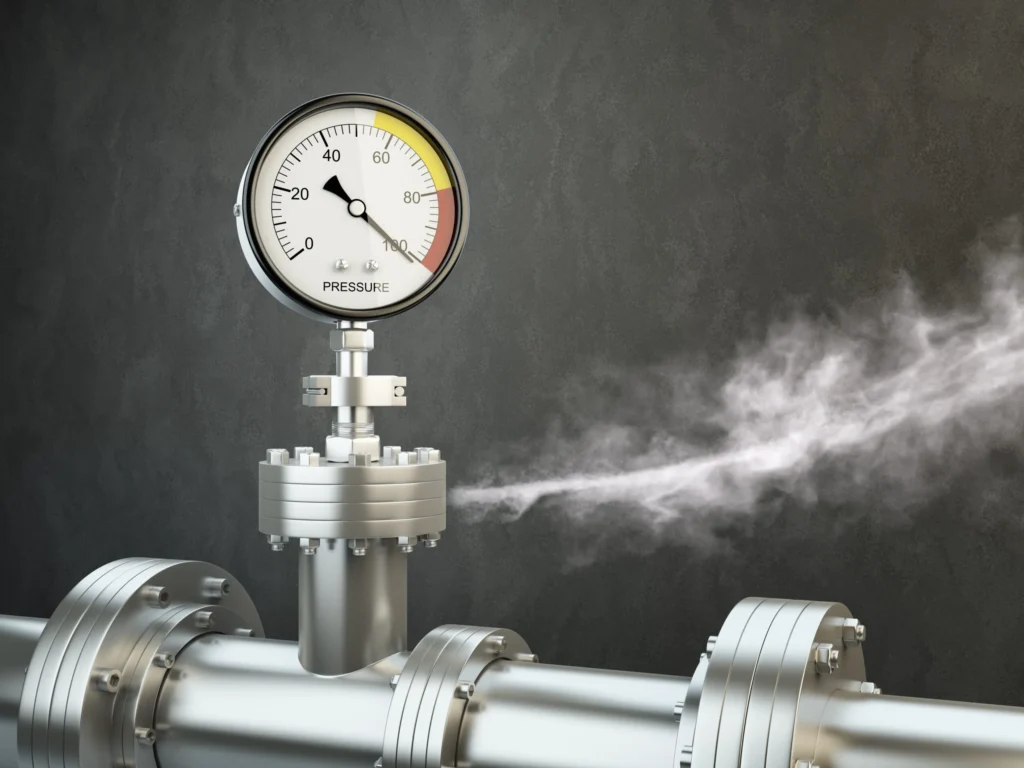
Signs of a Gas Leak in Your Home: Winter Heating Safety Guide
When you turn on the furnace on a cold winter evening and notice a strange smell near the utility room, it’s natural to wonder: “Is it just the heater starting up, or could something be leaking?”
It’s not always easy to tell. But a gas leak is not something you want to ignore. If left unchecked, it can put everyone in your home at risk.
During winter, your furnace, fireplace, and gas water heater get more use. That’s why it’s important to know when something doesn’t seem right.
This guide explains the common signs of a gas leak in your home and what to do if you suspect one.
What Should You Do If You Smell Gas in Your Home?
If you notice a rotten-egg or sulfur-like smell, leave the building immediately. Don’t stay inside to investigate the source.
According to industry experts, even a faint or brief gas odor should be taken seriously.
Here’s what to do:
- Get everyone outside. Leave the building and move a safe distance away.
- Avoid anything that could cause a spark. Don’t touch light switches, thermostats, appliances, or electrical equipment. Don’t use matches, candles, or cigarettes.
- Don’t use your phone inside. Wait until you’re safely away from the building before making a call.
- Call 911 and your gas utility. Southwest Gas customers can report suspected leaks at 877-860-6020.
- Stay outside. Don’t return until emergency responders or your gas utility tells you it’s safe.
Don’t try to shut off gas valves, open windows, or locate the leak yourself. Your first job is to get everyone to safety. For other urgent plumbing problems, read our guide on how to handle plumbing emergencies without panic.
What Are the Common Signs of a Gas Leak in Your Home?
A gas leak doesn’t always come with a strong smell. Some warning signs are easy to miss unless you know what to look for.
1. A Rotten-Egg or Sulfur Smell
Natural gas has no smell of its own. Gas companies add a chemical called mercaptan to make leaks easier to notice. It creates an odor similar to rotten eggs or sulfur.
That’s why you might notice a gas leak smell near your furnace, stove, water heater, or fireplace. Sometimes, the smell comes and goes.
Don’t assume a faint smell is harmless. Even if it disappears, it still needs to be reported.
2. Hissing or Whistling Near a Gas Line
Have you heard an unusual hissing sound near your gas meter or an appliance?
Gas escaping through a damaged pipe or loose connection can sometimes make a hissing or roaring noise.
Not every gas leak makes noise, though. A small leak may be completely silent. If you hear an unexplained hissing sound near gas equipment, leave the area rather than moving closer to investigate.
3. Dead Plants or Unusual Ground Movement
Gas leaks can also happen in underground pipes outside your home.
You might notice:
- A patch of dead grass surrounded by healthy grass
- Dirt blowing into the air without an obvious reason
- Bubbles forming in standing water near a buried gas line
These signs can point to escaping gas beneath the ground. Keep people and pets away from the area and report the problem from a safe location.
4. Damaged or Corroded Gas Piping
Older homes may have gas pipes that have been exposed to moisture, ground movement, or years of wear.
Corrosion, damaged fittings, and loose connections can make a gas line unsafe. Visible rust doesn’t always mean a pipe is leaking, but it shouldn’t be ignored.
If you notice damage during routine home maintenance, arrange a professional inspection. If there’s any smell or other sign of escaping gas, leave the area and contact emergency services first.
Why Should You Pay More Attention to Gas Appliances During Winter?
In areas with extreme climates, freezing weather means furnaces and other heating equipment may run for hours each day.
That doesn’t mean cold weather automatically causes gas leaks. However, winter can reveal problems in equipment that hasn’t been used much during warmer months.
For example, a furnace that’s been sitting unused may have a worn connection or an ignition problem that becomes noticeable when heating season begins.
Gas fireplaces and water heaters also need proper connections and venting. If your water heater is also struggling during the colder months, read our guide on why your water heater isn’t keeping up in winter.
If your heating equipment is old or hasn’t been inspected recently, arrange maintenance before the coldest time of winter.
A licensed professional can check the appliance’s condition, gas connections, and venting. Gas piping concerns should be handled by someone qualified to work on those lines.
Carbon Monoxide Leak Vs Natural Gas Leak: What’s the Difference?
People often confuse carbon monoxide with natural gas because both can be associated with gas appliances.
But they aren’t the same thing.
| Natural Gas Leak | Carbon Monoxide Problem |
| Gas escapes from a pipe, connection, or appliance | Carbon monoxide forms when fuel doesn’t burn completely |
| Added odorant often creates a rotten-egg smell | Carbon monoxide has no smell |
| Can create a fire or explosion hazard | Can cause serious poisoning |
| May be noticed through smell, sound, or outdoor signs | Requires a CO alarm or specialized testing to detect |
| Requires immediate evacuation and a call to emergency services | Requires fresh air, emergency help, and medical attention when exposure is suspected |
According to the CDC, carbon monoxide poisoning can cause headaches, dizziness, nausea, weakness, and confusion.
A poorly vented or malfunctioning furnace can produce dangerous amounts of carbon monoxide without any noticeable smell.
If your carbon monoxide alarm sounds, get everyone outside into fresh air and call 911. Anyone experiencing symptoms needs urgent medical attention.
Remember: A carbon monoxide detector won’t necessarily warn you about a natural gas leak. The two hazards require different detection methods.
How Do Professionals Find and Repair Gas Line Leaks?
Once emergency responders or your gas utility have dealt with the immediate danger, damaged customer-owned piping may need repair before service can be restored.
- A qualified plumber can inspect the gas line and identify which part needs attention.
- Depending on the problem, the work may involve repairing a connection, replacing a damaged pipe section, or installing a new line.
- Professionals use suitable gas detection and pressure-testing equipment to check the piping.
- They can also determine whether the repair needs permits or additional inspections.
Can You Fix a Small Gas Leak Yourself?
No. Even tightening a fitting can create another problem if it isn’t done correctly.
Gas piping repairs should be handled by qualified professionals who understand the applicable safety requirements.
If you’re looking for gas line repair in Reno, make sure the immediate emergency has been cleared before scheduling repair work.
How Can You Keep Your Gas Appliances Safer This Winter?
A little preparation before heating season can help you avoid equipment problems when temperatures drop.
- Get your appliances serviced. Have your furnace, gas water heater, and fireplace checked before winter.
- Check outdoor vents. Make sure snow and ice aren’t blocking them.
- Keep CO alarms working. Test them regularly and replace them when needed.
- Know who to call. Save your gas utility’s emergency number and find out which company handles gas piping repairs at your property.
Frequently Asked Questions About Gas Leaks
Is it normal to smell gas for a few seconds when the furnace turns on?
No, you shouldn’t assume a gas smell is normal just because it happens when the furnace starts.
Some homeowners notice an odor only during certain heating cycles. That doesn’t tell you whether the equipment is safe.
If you smell gas, leave the building and report it to your utility. Once the area is cleared, a qualified technician can check the furnace and its connections.
Will a gas company charge me to check for a suspected leak?
Gas utilities generally provide emergency leak-response services without charging a separate fee for the initial safety check, although policies may vary.
If you’re unsure about a possible leak, don’t avoid reporting it because you’re worried about the cost.
The utility may inspect its equipment and take steps to make the area safe. Repairs to customer-owned piping are usually handled separately by a qualified contractor.
Can I use a gas stove to heat my home during a winter power outage?
No. A gas stove or oven isn’t designed to heat your home.
Using it for room heating can increase the risk of carbon monoxide poisoning, particularly when ventilation is poor.
During a power outage, use heating equipment approved for indoor use and follow its safety instructions. If your normal heating system isn’t working, contact a licensed heating technician to inspect it before putting it back into service.
Takeaway
When something seems wrong around your gas equipment, don’t gamble on it being harmless.
You don’t need to know exactly what’s causing the problem before asking for help. Getting everyone somewhere safe and making the right call matters far more than figuring it out yourself.
Need Gas Line Repair in Reno? Contact Easy Rooter Plumbing
If you’ve noticed signs of a gas leak in your home and emergency responders have cleared the immediate danger, Easy Rooter Plumbing can help with the repairs.
We’re a BBB-accredited plumbing company serving Northern Nevada since 1979. We provide residential and commercial plumbing services in Reno, Sparks, and surrounding communities.
Our licensed team (#0084079/A-15 sewers, drains, pipes and #0026656A / C1 plumbing & heating) handles gas line inspection, repair, replacement, and installation.
Whether the problem involves a damaged connection or aging piping, we’ll inspect the line and explain the work needed.
If your gas water heater needs attention, professional water heater services can help address equipment and installation concerns.
For other urgent plumbing problems, we also offer 24/7 emergency plumbing services. Call (775) 331-3636 for professional gas line repair in Reno.