
Frozen Drain & Sewer Lines in Winter: Signs, Fixes & Prevention
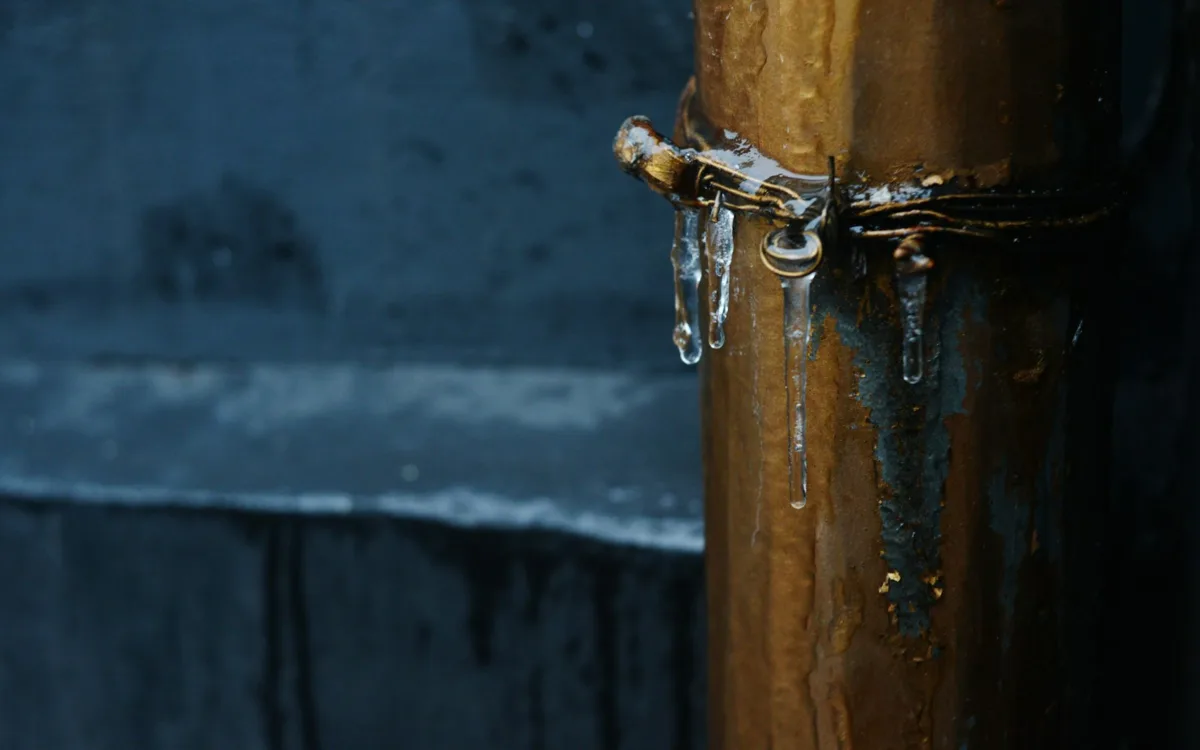
Winter in Reno and Sparks can be pretty harsh, especially when temperatures drop below freezing overnight. You probably expect icy roads, frozen windshields, and a little extra work getting your car started. But what you might not expect is turning on your bathroom faucet in the morning and finding that the water won't drain.
When temperatures stay low for long enough, water trapped inside exposed or poorly protected pipes can freeze. And if you have a frozen drain pipe, even something as simple as washing your hands or taking a shower can become a problem.
A frozen sewer line can be even more troublesome because wastewater may start backing up into your home.
The problem is that a frozen drain can look a lot like a regular clog. So, before you try to fix it, you need to know what you're dealing with. In this guide, we'll help you recognize the signs, understand what you can safely do, and keep your drains from freezing again.
Why Do Drain and Sewer Lines Freeze in Winter?
Your drain and sewer pipes are supposed to carry wastewater away from your home. But when water gets trapped inside a pipe during freezing weather, it can turn into ice and block the flow. This doesn't happen to every drain, though. Certain conditions make some pipes more likely to freeze than others. Here are a few common causes -
- Standing water: A sagging or partially blocked pipe can hold water that can eventually freeze.
- Shallow installation: Pipes that are installed above the local frost depth usually have less protection from freezing temperatures.
- Poor insulation: Pipes in cold garages, crawl spaces, or other unheated areas can freeze if they aren't properly insulated.
- Existing clogs: Grease, debris, and tree roots can block the flow of wastewater, leaving water sitting in the pipe.
- Extended cold weather: If temperatures stay below freezing for several days, water trapped in your pipes may start turning into ice.
Most underground sewer lines have some protection from the cold because they're buried deep in the ground. But if a clog prevents wastewater from flowing freely, water can collect inside the pipe and freeze during extremely cold weather.
5 Signs You Might Have a Frozen Drain or Sewer Line
Here are five signs to look out for -
1. Your Sink or Shower Suddenly Stops Draining
If your sink or shower was draining just fine yesterday but suddenly stops draining today, freezing weather could be the reason. Water trapped inside a frozen drain pipe can turn into ice and block wastewater from passing through.
But don't assume it's frozen just because it's cold outside. Hair, soap, and grease buildup can cause the same problem, so it's important to find out what's blocking the drain before trying to fix it.
2. Several Drains Back Up at Once
One slow bathroom sink might have a local clog. But if your toilet, shower, and kitchen sink all start acting up, the problem could be farther down the drainage system.
A frozen sewer line can prevent wastewater from leaving your property. As you continue using water, it may even back up through lower fixtures.
So, if multiple drains are affected, stop using water until you know what's causing the blockage.
3. You Hear Gurgling From Your Drains
Have you ever flushed the toilet and heard bubbling from the shower drain? That sound can happen when air struggles to move through a partially blocked drainage system.
Ice could be causing the problem, especially during freezing weather. If you keep hearing these sounds, it's best to have your drain checked before the blockage gets worse.
4. You Notice Unpleasant Sewer Odors
A frozen blockage can prevent wastewater from draining properly, causing it to back up and produce unpleasant odors.
But sewer smells can also come from a dry drain trap, damaged pipe, or plumbing vent problem. Since there are several possible causes, it's best to have a plumber inspect your drains and find out what's wrong.
5. You Find Ice Around an Exposed Drain
If you have a drain frozen outside, you might notice ice around an outdoor drain opening or exposed pipe. This is especially common in areas where snowmelt collects and freezes again overnight.
If ice has formed around the drain opening, you may be able to clear it safely. But if water has frozen deeper inside the pipe, you'll likely need a plumber to locate and remove the blockage.
How to Unfreeze a Drain Pipe Without Damaging It
If you think your drain has frozen, pouring boiling water down it or using a heat gun might seem like a quick fix, but both can damage your pipes. And if ice has completely blocked the drain, the hot water won't have anywhere to go and can cause water to back up into your sink or shower.
Here's how to unfreeze a drain pipe more safely -
Step 1 - Stop Using the Affected Drain
First, avoid adding more water because if ice has completely blocked the pipe, it has nowhere to go. Also, if several fixtures are backing up, stop using your home's plumbing until you identify the problem.
Step 2 - Check the Accessible Pipe
Check any exposed drain pipes in your basement, crawl space, or garage, especially if those areas aren't heated.
If you can safely reach the pipe, look for ice, cracks, or leaks. But don't put yourself at risk trying to reach a hidden pipe or take apart plumbing connections.
Step 3 - Warm the Surrounding Area
If you can reach the frozen pipe and don't see any damage, try warming the area around it. You can turn up the room temperature or let warm air from inside your home reach the pipe.
Also, make sure you keep any electrical equipment away from water. And don't try to speed things up with a torch or open flame, as you could damage your pipes or even start a fire.
Step 4 - Watch for Leaks as the Ice Melts
Water expands when it freezes, and that pressure can crack your pipes. You might not see any damage right away, so check the exposed pipes and connections as the ice melts. If you notice a leak, stop using the affected drain and call a plumber.
Step 5 - Call a Plumber if the Blockage Remains
If you've tried warming the area around the pipe and the water still won't drain, it's time to call a plumber. They can check whether ice, a clog, or a damaged pipe is causing the problem. And if the blockage is somewhere in your underground sewer line, they'll have the equipment to find out what's going on.
| Call A Local Plumber at (775) 331-3636 |
What Should You Do if Your Main Sewer Line Freezes?
A frozen sewer line can affect several drains in your home, so you should stop using water as soon as you suspect a blockage. That means avoiding flushing toilets, running faucets, or using your washing machine and dishwasher. Otherwise, wastewater could back up through your toilets or floor drains.
After you've stopped using water, call a plumber to find out where the blockage is. They may use a sewer camera inspection to check for ice, clogs, or pipe damage. Depending on what they find, they can recommend a safe way to clear the line. And if freezing has cracked the pipe, you'll need to get that section repaired before using your plumbing again.
What Should You Do if Your Septic Line Freezes?
If your septic line freezes, stop using water as much as possible and call a septic system professional. A frozen septic line can prevent wastewater from reaching your septic tank, which may cause sewage to back up into your home.
Your septic line is more likely to freeze if it doesn't have the proper slope, allowing water to collect inside. Pipes buried too close to the surface are also more vulnerable to freezing. If you think ice has formed inside the line, don't try to clear it with chemicals or boiling water. You could end up damaging your plumbing instead of fixing the problem.
And if snow is covering the area, leave it alone unless a professional advises otherwise. That layer of snow can help insulate the ground and protect your septic pipes from freezing.
How Can You Prevent Frozen Drains and Sewer Lines?
You can't control Northern Nevada's winter temperatures, but you can address plumbing problems that make freezing more likely. A little preparation before the winter season can save you from an unpleasant backup later. Here’s what you can do -
- Insulate exposed pipes: If you have drain pipes running through your garage, crawl space, or other unheated areas, make sure they're properly insulated.
- Fix slow drains early: Don't ignore a drain that's taking longer than usual to empty. A clog can leave water sitting inside the pipe, where it may freeze.
- Keep outdoor drains clean: Clear away leaves, dirt, and snow so water can drain instead of collecting and freezing.
- Address standing water: If water keeps collecting inside your drain pipes, ask a plumber to check what's causing it.
- Protect crawl spaces: Seal gaps that let cold air enter, but make sure you don't block any vents your crawl space needs.
- Schedule a sewer inspection: If your drains keep backing up, a camera inspection can help your plumber find tree roots, damaged pipes, or sections where water collects.
For outdoor drains, make sure water has a proper path away from the property before freezing weather arrives.
And if the same drain freezes every winter, don't settle for thawing it repeatedly. You may need to correct an underlying drainage or installation problem.
Frequently Asked Questions About Frozen Drain and Sewer Lines
| Get Help With Your Frozen Drain - Call (775) 331-3636 |
Takeaway
If water suddenly stops draining during freezing weather, ice could be blocking the pipe. If you can safely reach the exposed pipe, try warming the area around it. But if several drains start backing up, stop using water and call a plumber to fix the problem.
And if the same pipe freezes every winter, get it checked so you don't have to deal with the same problem again.
Don't Let a Frozen Sewer Line Ruin Your Day - Call Easy Rooter Plumbing!
Nobody wants to wake up to a toilet that won't flush or wastewater coming back through the shower. And when it's freezing outside, the last thing you need is another plumbing emergency to deal with.
At Easy Rooter Plumbing, we've helped thousands of property owners with plumbing and sewer problems since 1979. We're a local, BBB-accredited company with an A+ rating, and our licensed team (#0084079/A-15 - Sewers, Drains & Pipes; #0026656A/C-1 - Plumbing & Heating) handles drain cleaning, frozen drain pipes, sewer camera inspections, and sewer line repairs.
Whether you're dealing with a stubborn blockage or a suspected frozen sewer line, we're here to help you figure out what's wrong and what needs fixing. You can give us a call at (775) 331-3636 and tell us what's happening.