
Graywater vs. Blackwater – Why It Matters for Your Septic System
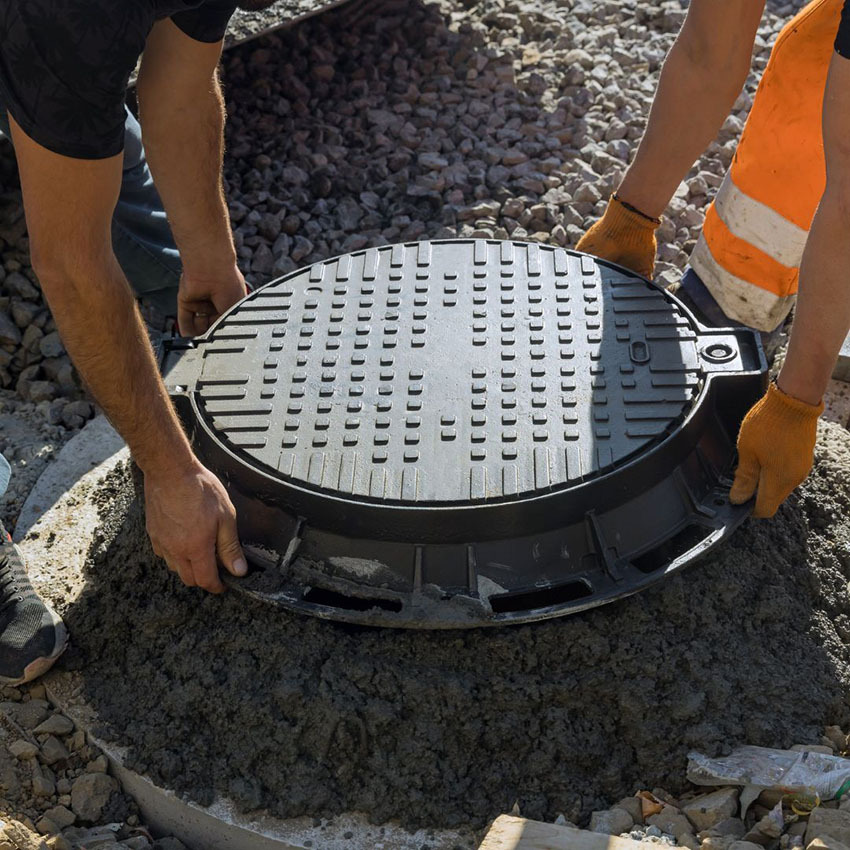
You must have a well-maintained septic system to prevent health and environmental risks. But did you know that how you manage household water can directly affect your septic system’s efficiency and lifespan?
All the water that flows into the septic tank is not the same. Your household creates two forms of wastewater - graywater and blackwater. Understanding the difference between these two types of wastewater is important for maintaining a healthy septic system and promoting sustainable water use.
What Is Graywater?
You may not believe it, but graywater is a valuable resource for your home and septic system. This is the water that comes from household activities like -
- Showers and bathtubs
- Bathroom sinks
- Laundry (from washing machines)
In fact, did you know that up to 50-80% of household wastewater comes from these sources? That means a large portion of the water leaving your home is relatively clean and can be reused safely.
Why Is Graywater Important?
The contaminants present in graywater include soaps, detergents, and small amounts of organic matter. Graywater isn’t entirely free of contaminants, but it’s much easier to treat than blackwater.
With proper management, it can be used for irrigating gardens and lawns, flushing toilets, and cleaning outdoor spaces.
By separating and reusing graywater, you can reduce the strain on your septic system, conserve potable water, and save on water bills.
Safety Tips
- Even though graywater is cleaner than blackwater, always handle it with care.
- Avoid storing graywater for long periods to prevent bacterial growth
- Use it only for non-potable purposes.
- Make sure irrigation systems direct water to the soil, not surfaces or edible plants.
What Is Black Water?
As the name suggests, blackwater is heavily contaminated and can cause serious health risks if mishandled. It comes from toilets, kitchen sinks, and dishwashers (when contaminated with food waste), and soiled laundry.
Did you know that toilets alone account for about 30% of household water use, with the average person flushing around five times a day? That means your septic system has to process a lot of blackwater.
Why Blackwater Is Dangerous?
Blackwater contains human waste, pathogens, and organic solids, making it hazardous -
- It can harbor E. coli, Salmonella, and other bacteria.
- Decomposes slowly, which can strain septic systems.
- It can even contaminate soil and groundwater if not treated correctly.
How to Handle Blackwater?
Managing blackwater safely is important to protect your septic system.
- Always check that your septic tank is regularly pumped.
- Avoid pouring hazardous chemicals down toilets, as they can kill helpful bacteria in the septic tank.
- Consider hiring professional septic pumping services to inspect and maintain your system.
| Need Septic Pumping in Sparks? Call Now! |
Quick Comparison Between Graywater and Blackwater
|
Aspects |
Graywater | Blackwater |
| Impact on the Septic System | It is less contaminated, decomposes quickly, and puts less strain on the system. |
It contains solids and pathogens, which take longer to break down. This increases the risk of septic system failure if not properly managed. |
|
Treatment Methods |
It can be treated using biological filters, sand filters, or constructed wetlands. | Requires septic tanks followed by drain fields or advanced treatment systems to remove pathogens and solids. |
| Disposal Methods | After treatment, it can be safely reused for irrigation, toilet flushing, or outdoor cleaning. |
Safely discharged into approved drainage systems or municipal wastewater treatment systems. |
Frequently Asked Questions
➤ Can I reuse graywater for drinking purposes?
No, graywater should not be consumed. It can be used for non-potable uses, like irrigation or toilet flushing after proper treatment.
➤ How often should I pump my septic tank?
Generally, septic tanks should be pumped around every 3-5 years. However, it depends on your household size and water usage. Regular inspection and maintenance help prevent system failures.
➤ Is it legal to reuse graywater?
Laws regarding graywater reuse vary by location. It's important to check local regulations before setting up a graywater recycling system.
Takeaway
Understanding the difference between graywater and blackwater is important to keep your septic system running smoothly. When you treat and reuse graywater the right way, you not only reduce the strain on your septic system but also save water and do your part for the environment.
You should always consult with a professional plumber or an expert company providing septic services to check if your system is functioning optimally and in compliance with local regulations.
Read More About:
- Pros & Cons of DIY Plumbing vs Hiring a Licensed Plumber
- Why Calculating Hidden Plumbing Costs Matters Before Starting Repairs
- How to Handle Emergency Plumbing Issues Without Panic
- How to Unclog a Bathtub Drain Without Using Harsh Chemicals
Keep Your Septic System Healthy With Easy Rooter Plumbing - Your Trusted Septic Tank Contractor in Sparks
Is your septic system giving up or showing warning signs of failure? You need to act immediately!
If you're in the Sparks, NV area and need assistance with your septic system, consider reaching out to Easy Rooter Plumbing for expert services and advice.
We have been offering system inspections, quality septic pumping, and services for more than 46 years. Our septic and plumbing services are available 24/7.
Call us at 775-382-6656 to keep your system running smoothly!