Pros & Cons of DIY Plumbing vs Hiring a Licensed Plumber
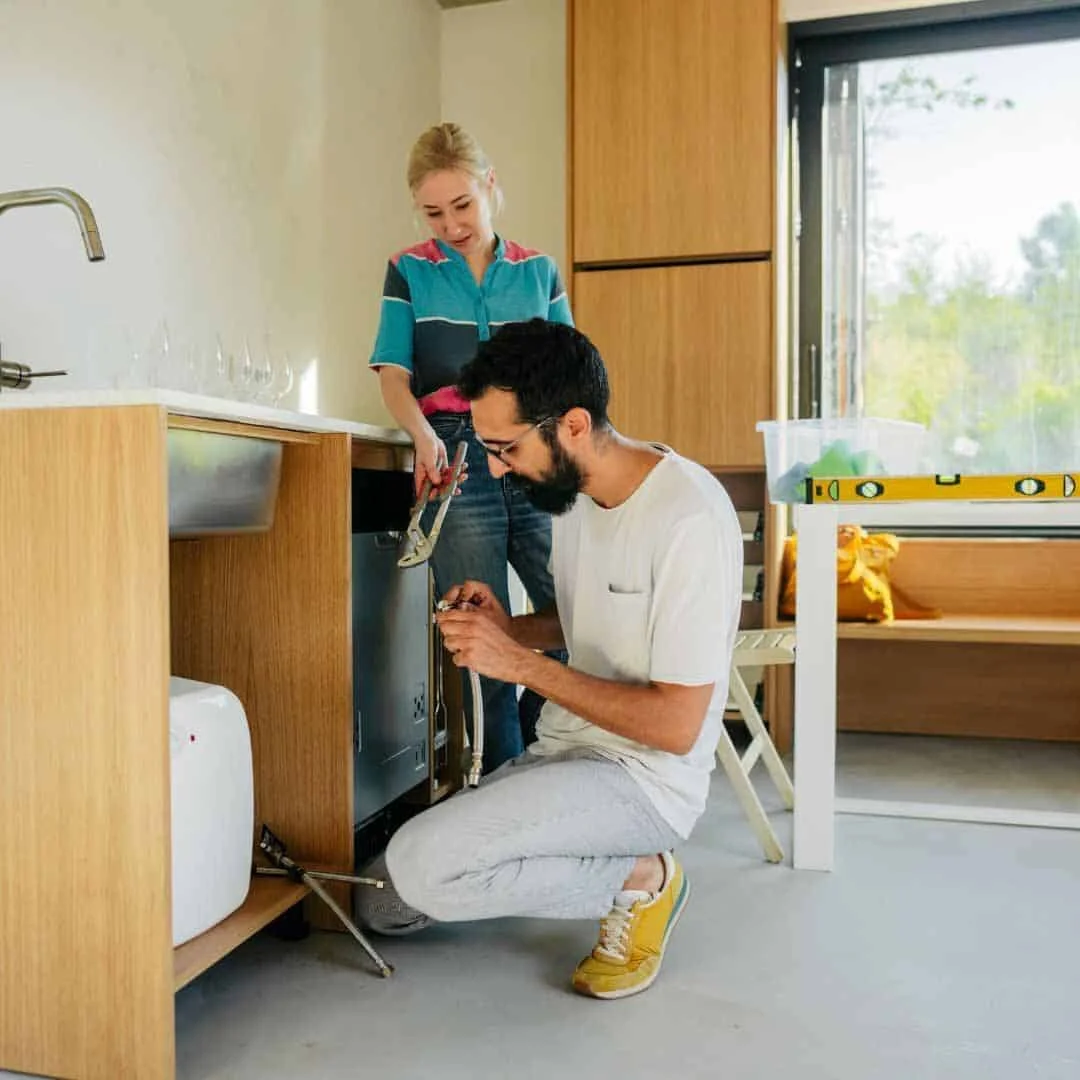
Quick answer: DIY plumbing makes sense for small, low-risk jobs like replacing a faucet aerator, a toilet flapper, or a showerhead, or clearing a simple sink clog. Hire a licensed plumber for anything involving gas, water heaters, main sewer lines, leaks inside walls or under slabs, moving fixtures, or work that needs a permit. A DIY mistake on those jobs can cause water damage, safety hazards, and insurance problems that cost far more than the service call.
When a faucet drips or a drain slows down, it's tempting to grab a wrench and fix it yourself. Sometimes that's the right call. But plumbing is one area where a small mistake can turn into a big repair. Here's an honest look at the pros and cons of DIY plumbing vs hiring a licensed plumber, and how to tell which jobs fall on which side of the line.
DIY or Call a Pro? Quick Guide
| Usually fine to DIY | Call a licensed plumber |
|---|---|
| Cleaning faucet aerators and showerheads | Water heater repair or replacement |
| Replacing a toilet flapper or fill valve | Gas line work of any kind |
| Plunging a toilet or clearing a sink trap | Main sewer line clogs and backups |
| Swapping a showerhead | Leaks inside walls, ceilings, or under a slab |
| Replacing a faucet in the same spot | Moving or adding fixtures, new drain or vent lines |
| Draining and winterizing hose bibs | Burst pipes, pressure-reducing valves, repiping |
Pros of DIY Plumbing
1. You Save on Small Jobs
For simple fixes, doing it yourself saves the cost of a service call. A few basic tools, like a plunger, adjustable wrench, pliers, plumber's tape, and a bucket, handle most minor repairs.
2. You Can Act Right Away
Some issues show up at inconvenient times. Knowing how to shut off a fixture valve or the main water supply, or clear a simple clog, lets you stop the problem immediately. Every homeowner should know how to turn off the water supply to the house.
3. You Learn Your Home's System
Doing small repairs yourself helps you understand where your valves, cleanouts, and pipes are, which makes it easier to spot problems early.
Cons of DIY Plumbing
1. Water Damage
A connection that isn't tightened properly or a leak you don't notice can soak into cabinets, floors, and walls. Over time that leads to rot and mold, and the repair can cost far more than the original fix.
2. Safety Risks
Gas lines, water heaters, and sewer lines carry real hazards, from gas leaks and scalding to exposure to sewage and harsh drain chemicals.
3. Bigger Repair Bills
A DIY attempt that goes wrong can turn a simple job into a complicated one. Overtightened fittings crack, the wrong parts leak, and chemical drain cleaners can damage older pipes.
4. Insurance and Code Problems
If unpermitted or improperly done work causes damage, your insurance company may question or deny the claim. Work that doesn't meet code can also cause trouble when you sell your home.
Need a licensed plumber in Reno? Call (775) 331-3636
Pros of Hiring a Licensed Plumber
1. Experience and the Right Tools
Licensed plumbers work on these problems every day and carry equipment most homeowners don't own, like sewer cameras, drain machines, and hydro jetters. The job gets done faster and without guesswork.
2. Work That Meets Code
Plumbing has to meet local code, which in Northern Nevada is based on the Uniform Plumbing Code. A licensed plumber knows when a permit is required and makes sure the work passes inspection. Some fixture jobs are trickier than they look. Here's why professional plumbing fixture installation pays off.
3. Long-Term Savings
A repair done right the first time doesn't come back next month. That saves money over the life of your plumbing.
4. Insurance and Accountability
Licensed contractors carry insurance and stand behind their work, so you're protected if something goes wrong during the job.
Cons of Hiring a Licensed Plumber
- It costs more than doing a very small job yourself.
- You may need to schedule an appointment for non-urgent work.
- You miss the satisfaction of fixing it on your own.
How to Check a Plumber's License in Nevada
In Nevada, plumbing contractors are licensed by the Nevada State Contractors Board (NSCB). Ask for the license number and look it up on the NSCB website to confirm it's active and covers plumbing work. It also helps to ask a few questions before you hire. Here are the questions to ask a plumber before hiring and tips on how to find a good, reliable plumber.
Frequently Asked Questions
Can I replace a leaky faucet myself?
Yes. Replacing a faucet in the same location is a common DIY job. Turn off the water at the shutoff valves under the sink first, and use the right parts for your faucet model.
How do I know if a plumber is licensed?
Ask for their license number and verify it with the Nevada State Contractors Board. A licensed plumber should provide it without hesitation.
What should I do in a plumbing emergency?
Shut off the water at the fixture or main valve, then call a licensed plumber. For burst pipes, sewage backups, or a leaking water heater, call an emergency plumber right away. Learn more about how emergency plumbers handle burst pipes and clogged drains.
Will homeowner's insurance cover DIY plumbing mistakes?
It depends on your policy. Damage from improper or unpermitted work may be excluded, so check your policy before taking on larger jobs.
Is it legal to do my own plumbing in Nevada?
Homeowners can often do minor repairs on their own home, but many alterations require a permit and inspection. Check with your local building department before starting anything beyond simple fixture repairs.
Don't Risk DIY Mistakes: Call Easy Rooter Plumbing
Easy Rooter Plumbing has served Reno and Sparks since 1979. Our licensed team (NV License #0084079/A-15 and #0026656A/C-1) handles everything from a leaking pipe to drain and sewer problems, 24/7. Call (775) 331-3636 or contact us.