
Plumbing Fixture Installation: Why It Pays to Hire a Licensed Plumber
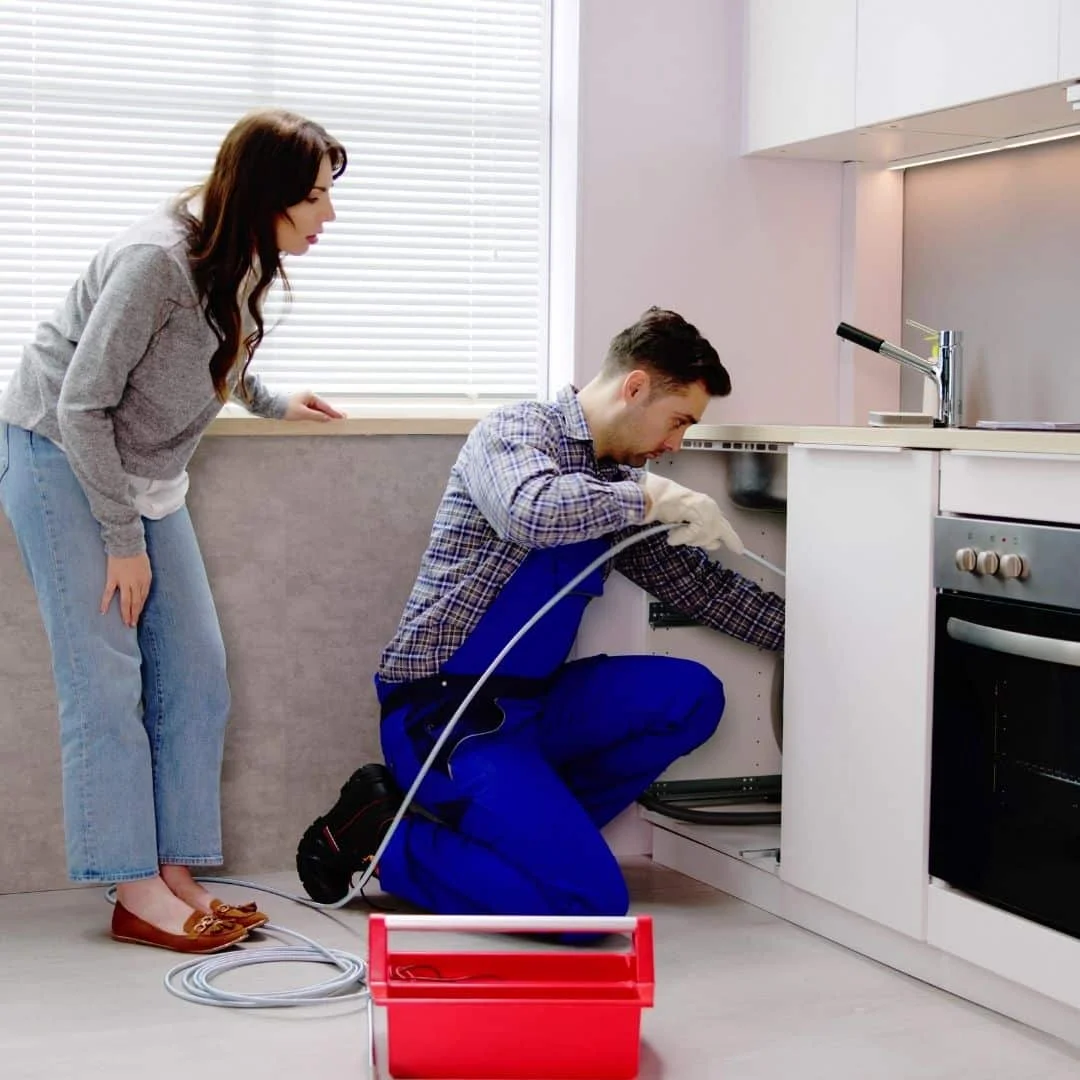
Swapping a faucet looks easy in a five-minute video, and sometimes it is. But a loose compression fitting, a misaligned toilet flange or an incorrectly vented water heater can cause leaks, water damage or safety problems long after the job looks finished. This guide covers which plumbing fixtures you can reasonably install yourself, which ones need a licensed plumber, and what Reno homeowners should know about permits.
Which Plumbing Fixtures Should a Pro Install?
| Fixture | DIY-friendly? | Why a pro helps |
| Showerhead, faucet aerator | Yes | Simple threaded swap. Use thread tape. |
| Kitchen or bathroom faucet | Sometimes | Corroded shutoffs, tight access and overtightened supply lines are common leak sources. |
| Toilet | Sometimes | Flange height, wax ring seating and a level bowl decide whether it leaks at the base. |
| Shower / tub valve | Pro | The valve sits inside the wall, needs soldering or crimping, and must be pressure- or temperature-balanced. |
| Water heater | Pro | Gas, venting, T&P valve, expansion tank, and usually a permit. See water heater installation. |
| Gas appliances & lines | Pro | Gas work needs pressure testing. See gas line installation. |
| Garbage disposal / dishwasher | Sometimes | Electrical connection, knockout plug, high loop or air gap. See dishwasher installation. |
| Backflow preventer | Pro | Must be installed and tested by a certified tester. See backflow prevention. |
Why Hire a Professional for Fixture Installation
1. Professional Plumbers Have the Expertise
A licensed plumbing company employs trained plumbers who know residential and commercial plumbing systems inside out. It's their daily job, so they get it right without disturbing or damaging the existing plumbing.
2. They Have the Right Tools
A typical home toolbox lacks the specialized tools needed to install fixtures like a shower valve, water heater or sink. Plumbers carry everything from pipe wrenches and cutters to crimp tools and sealants, and they know which tool the job calls for.
3. They Protect Your Warranty
Many manufacturers require professional installation to keep the warranty valid, especially on water heaters. If you install it yourself and something goes wrong, you may not be able to claim on the warranty.
4. They Make Sure the Work Is Up to Code
Proper installation isn't just about making the fixture work. It also has to meet local codes and permit requirements, which protect your drinking water and prevent drainage problems (see Permits, Codes and Licensing below).
5. They Save You Time and Hassle
A DIY install can take hours, or a whole weekend, plus the cleanup. A plumber does the same job in a fraction of the time and leaves no mess behind.
Permits, Codes and Licensing in Reno
In Nevada, plumbing work generally has to be done by a contractor licensed through the Nevada State Contractors Board, and the state's small-job ("handyman") exemption only covers minor work under a set dollar amount. Many fixture replacements, especially water heaters, new gas appliances and anything that moves supply or drain lines, also need a permit from the City of Reno, the City of Sparks or Washoe County, plus an inspection. A licensed plumber pulls the permit, builds to the plumbing code adopted in your area and schedules the inspection. That protects your insurance coverage and avoids surprises when you sell the house.
Common DIY Fixture Installation Mistakes
- Overtightening plastic nuts and compression fittings until they crack (or undertightening so they weep).
- Using plumber's putty on plastic or stone where silicone is required, or using thread tape on compression threads.
- Reusing an old wax ring, or setting a toilet on a flange that's too low or broken.
- Skipping the shutoff valve check. Old valves often won't close fully, or they break when turned. Know how to shut off your home's water supply
- Connecting a dishwasher without a high loop or air gap, or forgetting the disposal knockout plug.
- Installing a water heater without the correct venting, T&P discharge line or expansion tank.
What to Expect When a Plumber Installs Your Fixture
A good plumber confirms the fixture fits your existing rough-in, checks and replaces worn shutoff valves if needed, installs with the right fittings and sealants, pressure-tests for leaks and cleans up afterward. For anything that needs a permit, they handle the paperwork and inspection. Ask for a written estimate that lists the fixture, parts and labor separately.
Frequently Asked Questions
Do I need a plumber to install a faucet?
Not always. A straightforward swap with working shutoff valves is a common DIY job. Call a plumber if the shutoffs are corroded, the supply lines need changing, or the sink or countertop is being replaced at the same time.
Does replacing a water heater need a permit in Reno?
Water heater replacements commonly require a permit and inspection. Check with the City of Reno, the City of Sparks or Washoe County, or have a licensed plumber pull the permit for you.
Will DIY installation void my fixture's warranty?
Some manufacturers require professional installation for warranty coverage, especially on water heaters. Check the warranty terms before you install.
How long does it take a plumber to install a toilet or faucet?
A standard faucet or toilet swap is usually done in a couple of hours, as long as the shutoffs and flange are in good condition.
Need Fixtures Installed in Reno or Sparks?
Easy Rooter Plumbing has installed, repaired and replaced plumbing fixtures for Reno and Sparks homes and businesses since 1979. Our licensed plumbers handle faucets, toilets, shower valves, water heaters and gas appliances, with permits where they're needed. See all our plumbing services in Reno, or call (775) 331-3636. Installing fixtures for a business? See commercial plumbing.