
Signs of Septic Tank Problems Every Homeowner Should Know
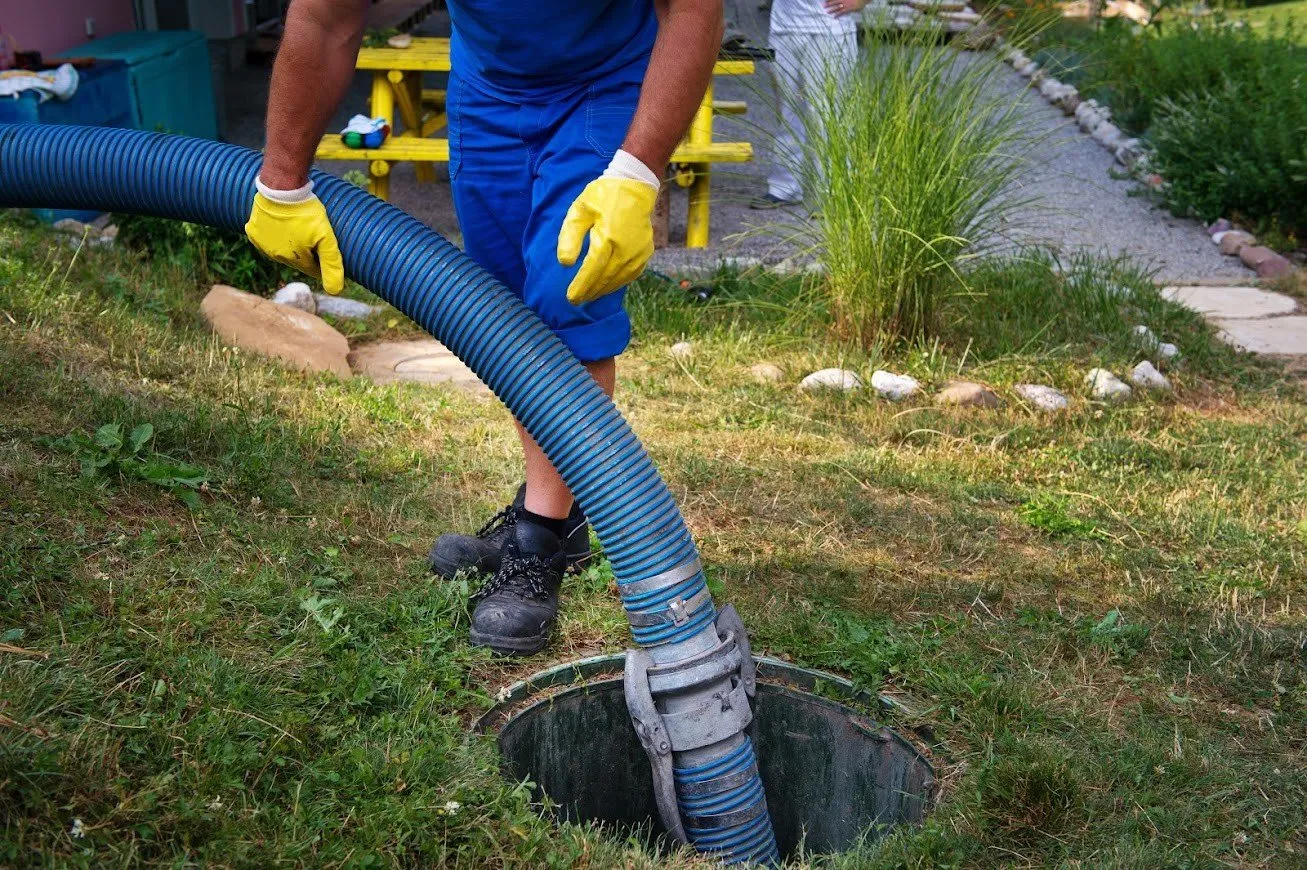
Quick answer: The most common signs of septic tank problems are slow drains throughout the house, sewage backing up into toilets or tubs, sewage odors inside or outside, gurgling pipes, unusually green grass or soggy ground over the tank or drain field, and a septic alarm going off. If you notice more than one of these, cut back on water use and call a septic professional before the system backs up into your home.
Septic systems are easy to forget about because they're buried out of sight. Most problems give you warning signs well before sewage reaches your floor, and catching them early usually means a simpler, cheaper fix. Here's what to watch for, what causes it, and what to do next.
7 Warning Signs of Septic Tank Problems
1. Slow Drains Throughout the House
One slow sink is usually just a clog in that drain. When several fixtures drain slowly at the same time, especially toilets, tubs, and floor drains on the lowest level, the problem is more likely the septic tank or the line leading to it. In a single-story home, the fixture closest to the tank often slows down first.
Skip chemical drain cleaners. They rarely fix a septic issue and can kill the bacteria your tank needs to break down waste.
2. Sewage Backing Up Into the Home
Wastewater coming up through a toilet, tub, or floor drain is the most serious sign. It usually means the tank is overfull, the outlet is blocked, or the drain field can no longer absorb water. Stop using water right away and call for help. Learn more about why sewage backups often point to leach field failure.
3. Sewage Odors Inside or Outside
A faint smell near the tank lid can be normal on a hot day, but a strong, lasting sewage odor in the yard often means the tank is full or wastewater is surfacing. Indoors, a sewer smell can come from a septic backup, but also from a dry drain trap in an unused sink or shower, or a blocked plumbing vent on the roof. See everything you need to know about septic odors.
4. Gurgling Sounds From Drains or Toilets
Gurgling when you flush or run water means air is being pushed through the pipes because wastewater isn't flowing freely. It can be an early sign of a full tank or a blockage between the house and the tank. Here's more on why a toilet bubbles or gurgles.
5. Unusually Green Grass Over the Tank or Drain Field
Grass over a healthy drain field should look like the rest of your yard. If one patch is noticeably greener and faster-growing, wastewater may be reaching the surface and feeding it. That's often an early sign of a drain field that isn't absorbing properly.
6. Standing Water or Soggy Ground
Puddles, spongy soil, or dark wet spots around the tank or drain field, especially when it hasn't rained, are a strong sign the system is overloaded or the drain field is failing. Keep kids and pets away from the area. Here are the signs a leach field needs repair or replacement.
7. Your Septic Alarm Is Going Off
Systems with a pump chamber have an alarm that sounds when the water level gets too high, usually because of a failed pump, a stuck float, or too much water entering the system. Don't ignore it. Here's what to do when your septic tank alarm goes off.
Seeing Signs of Septic Trouble? Call (775) 331-3636
What Causes Septic Tank Problems?
- Overdue pumping: solids build up until they overflow into the drain field. The EPA recommends having most household tanks pumped every 3 to 5 years; see how fast a septic tank fills up for what affects your schedule.
- Harsh chemicals: bleach, drain cleaners, and antibacterial products in large amounts kill the bacteria that break down waste.
- Things that shouldn't be flushed: wipes (even "flushable" ones), grease, paper towels, and hygiene products clog pipes and fill the tank faster.
- Too much water at once: several loads of laundry in a row can flush solids into the drain field before they settle.
- Damaged parts: broken septic tank baffles, cracked pipes, or a failing pump.
- Drain field damage: parking or building over the field compacts the soil, and tree roots can grow into the pipes.
What to Do if You Notice These Signs
- Cut back on water use: fewer showers, no laundry or dishwasher until the system is checked.
- Don't pour chemicals or additives into the drains to "fix" it.
- Keep people, pets, and vehicles off any wet areas over the tank or drain field.
- Note when the problem started and which fixtures are affected. It helps the technician find the cause faster.
- Call a licensed septic professional for an inspection and, if needed, septic pumping or repair.
Catching problems early often means a pumping or a small repair instead of a new system. If the tank or drain field has failed, see how much it costs to replace a septic tank so you know what to expect.
Frequently Asked Questions
What are the first signs of a septic tank problem?
Slow drains in several fixtures at once and gurgling sounds are usually the first signs. Sewage odors, soggy ground, or unusually green grass over the drain field often follow if the problem isn't addressed.
How do I know if my septic tank is full?
Common signs of a full tank include slow drains throughout the house, gurgling pipes, sewage odors near the tank, and water pooling over the tank or drain field. If it has been more than 3 to 5 years since the last pumping, it's likely due.
Can a septic tank problem cause a sewer smell inside the house?
Yes. A backup or blocked line can push sewer gas into the home. Indoor sewer smells can also come from a dry drain trap or a blocked plumbing vent, so a technician should check all three.
Is it safe to use my plumbing if I think the septic tank is failing?
Use as little water as possible until the system is inspected. Heavy water use can push sewage back into the home or out onto the yard.
How often should a septic tank be inspected?
The EPA recommends having a septic system inspected by a professional at least every 3 years, with pumping typically every 3 to 5 years depending on household size and water use.
Septic Trouble in Reno? Call Easy Rooter Plumbing
Easy Rooter Plumbing has served Reno and Sparks since 1979. Our licensed team (NV License #0084079/A-15 and #0026656A/C-1) handles septic pumping, inspections, and repairs, from a full tank to a failing drain field, with free estimates before any work starts. Call (775) 331-3636 to schedule service or for 24/7 emergency help.